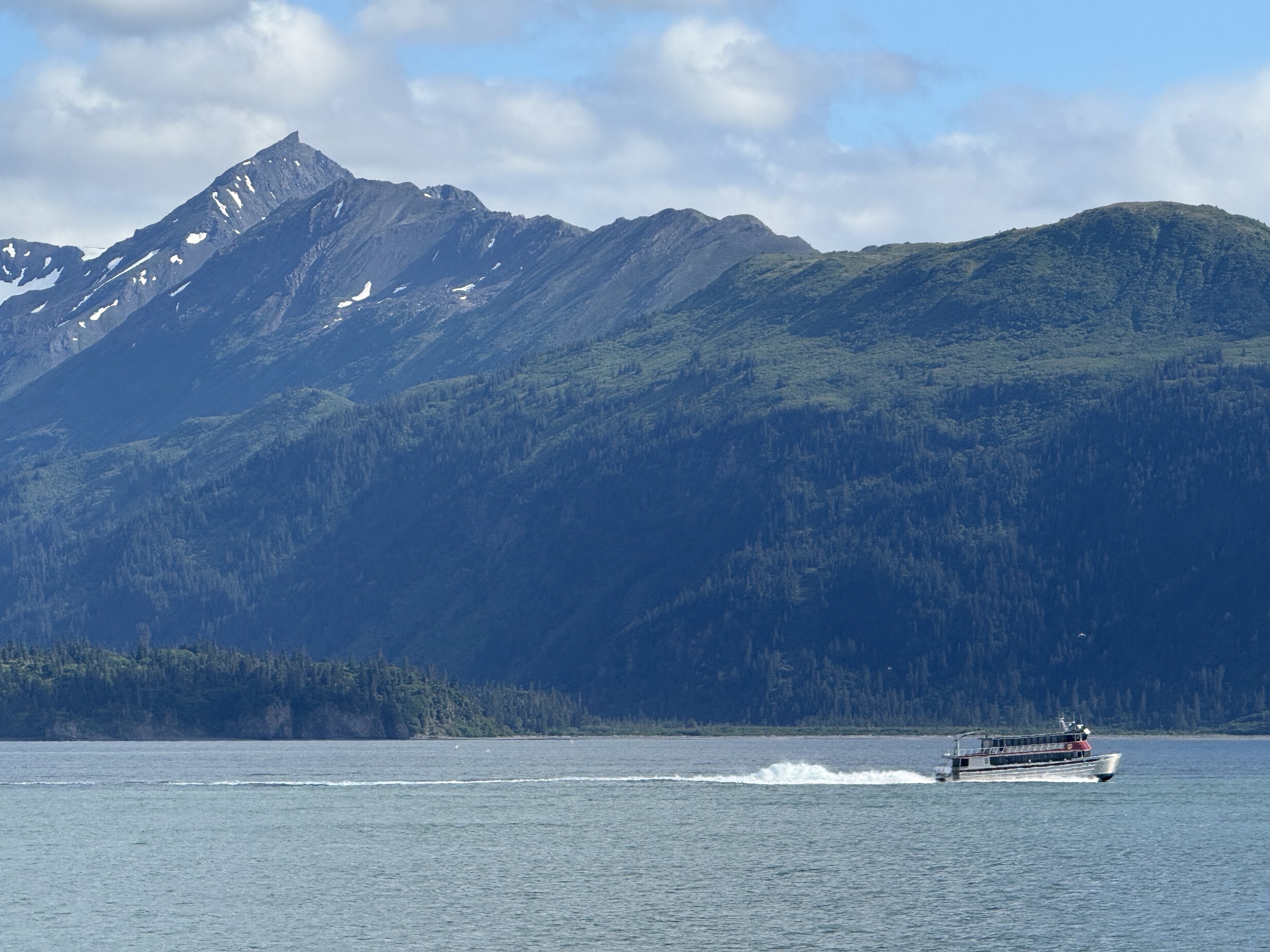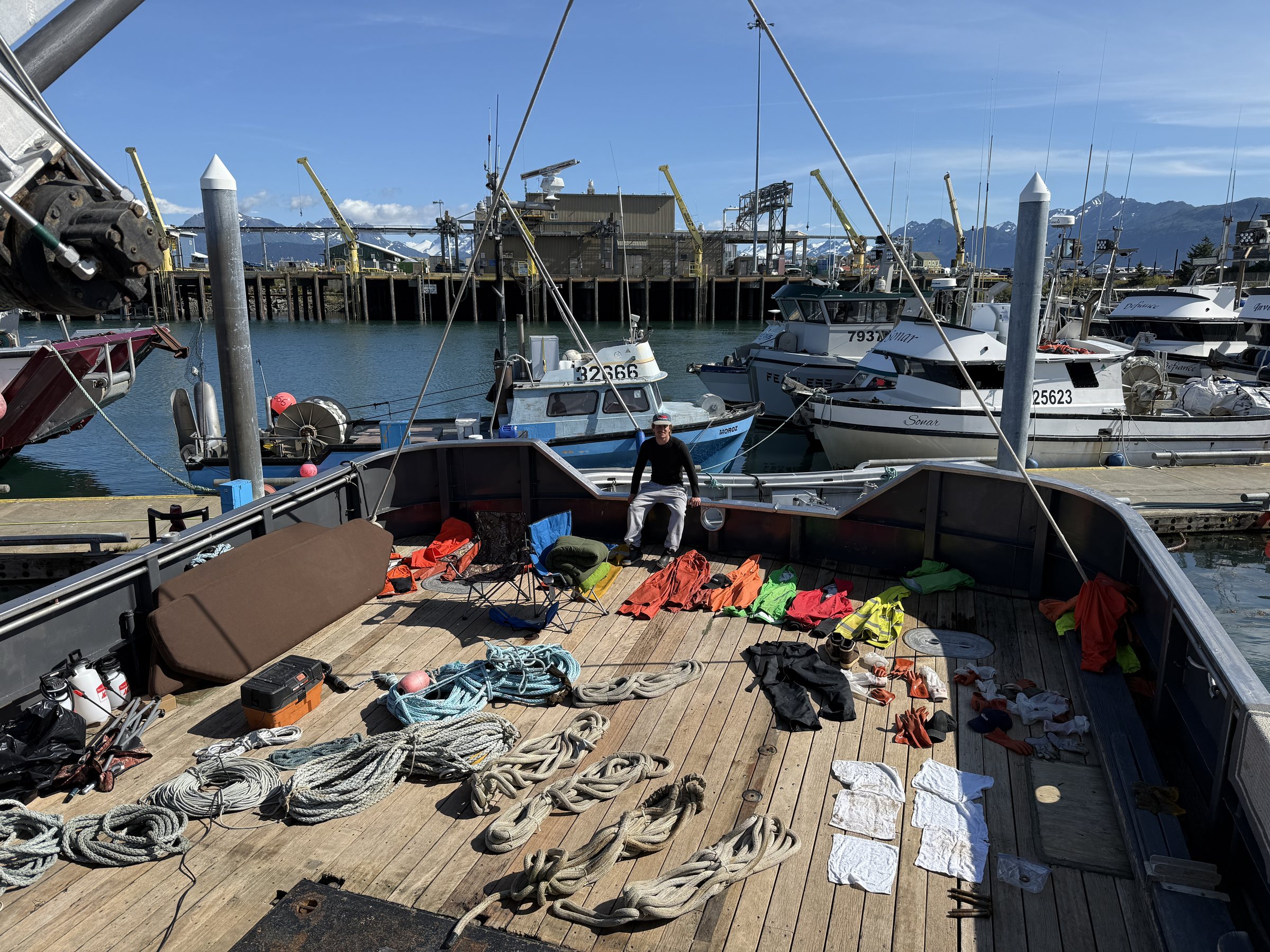
I went to Alaska to coninue developing my knowledge on how boats work. The Bering Sea showed me what happens when they don’t.
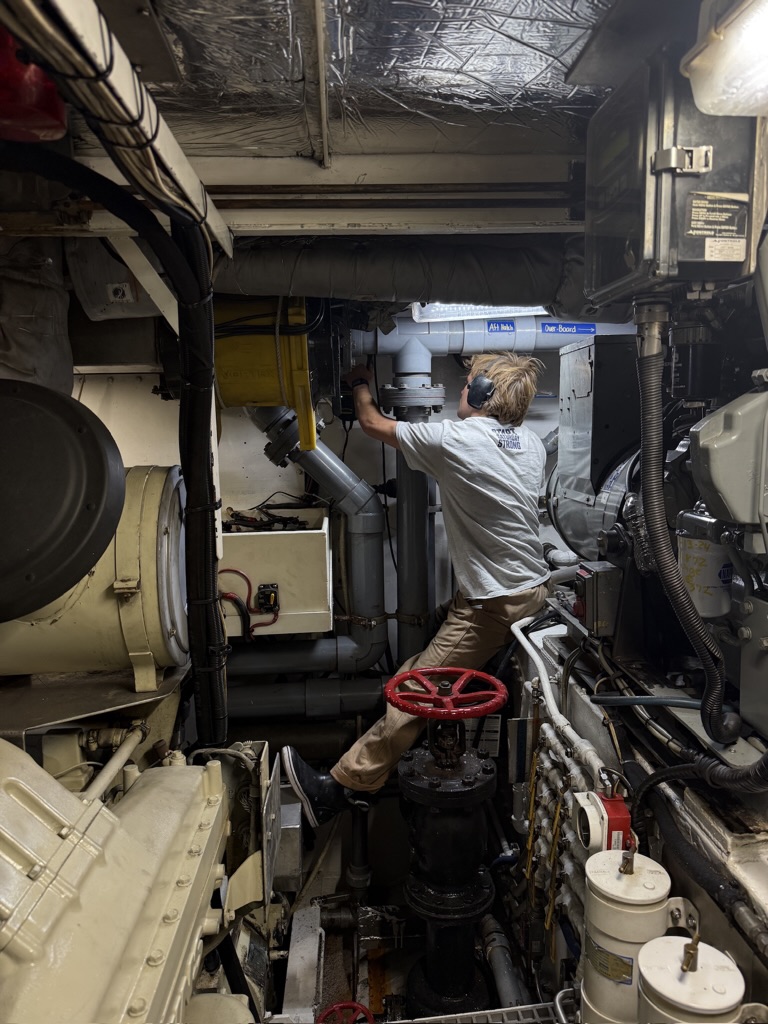
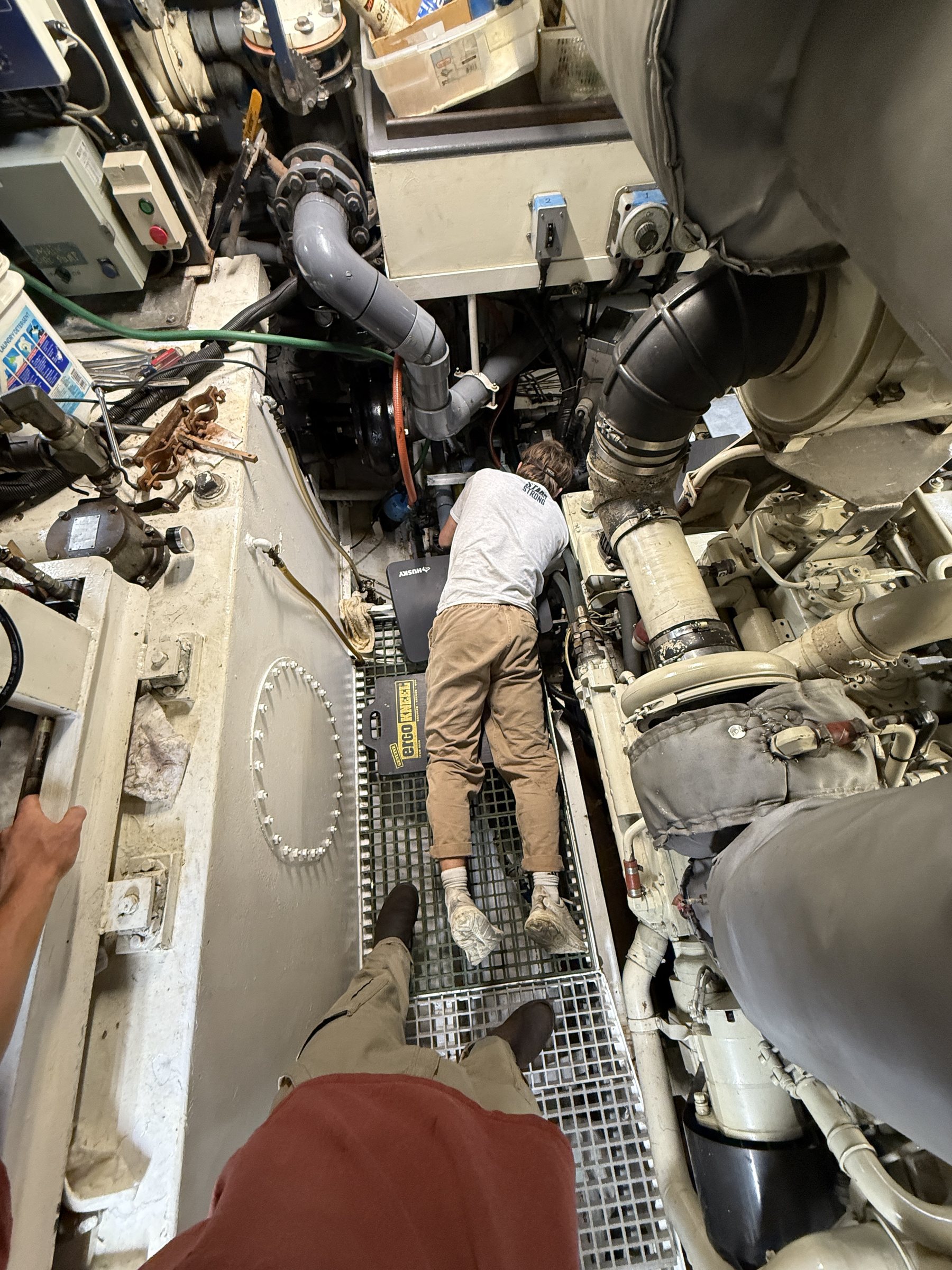
The summer started with 3 weeks of preparing the boat, since it had been winterized following the previous season. Preparation mainly consisted of going through the engine room system by system until we knew where every hose, winch, cable, dashboard, pump, wire, and valve on that boat went.
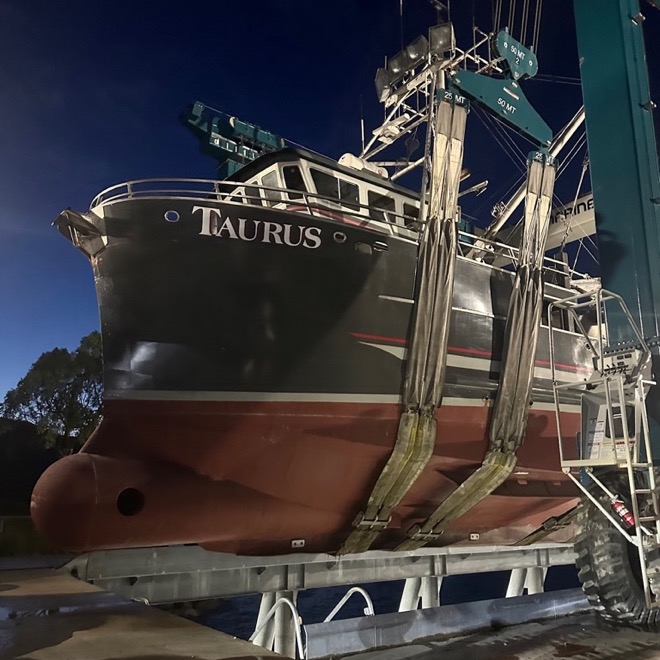
The trip to Dutch Harbor
The trip from Homer to Dutch Harbor takes 3 days straight, with watch shifts ranging from 5–8h at a time. Without many ports to rest in, the navigation through the chain of islands takes experience with driving a boat and trust in your crew, since you're putting your lives in their hands and theirs in yours.
The Season
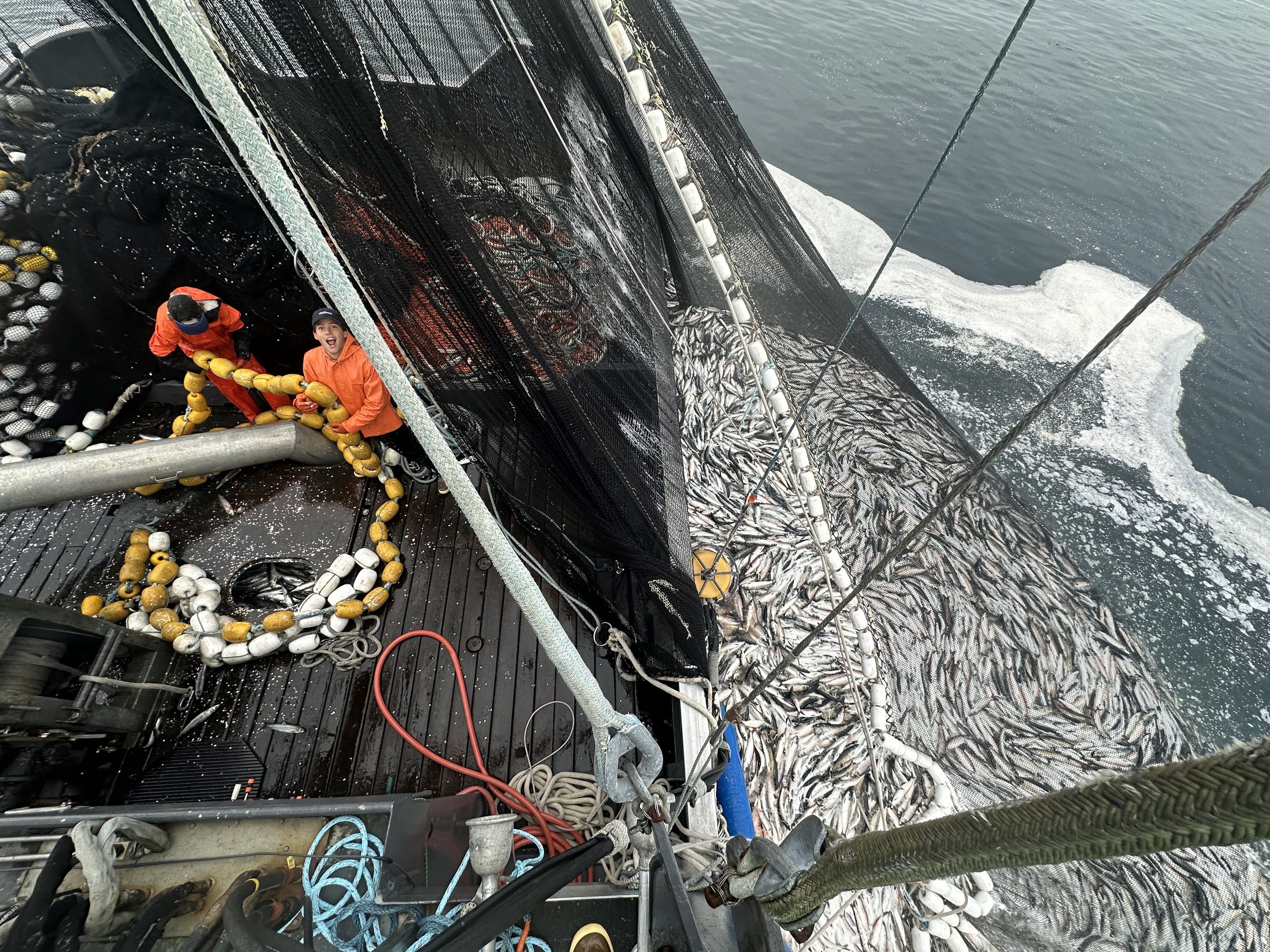
Once we arrived in Dutch Harbor our schedule changed to 17h days, spending the days out searching for fish and the short nights back at the processor to offload the herring. I was on the lead lines and hydraulics while seining, controlling $2.8 million dollars of equipment. Once the purse seine was closed and we started pumping fish, I would go down into the engine room and prep the tanks for fish. The RSW system needed to be maintained at 37°F to keep the catch food grade.
Between sets, the engineering never stopped. I changed the oil every 200 hours, kept a running fuel log, and transferred fuel between tanks to keep the boat trimmed and stable as we burned through it and took on weight. I monitored oil and coolant levels daily. The net got tangled more than once, and each time it meant getting it clear and back in the water fast. Every hour the gear isn't fishing is an hour we are shortening our season.
Efficient under pressure
Assess the situation quick and act with an educated response — people get hurt if you act on a whim.
Measure twice, cut once
It has always been a mentality of mine, but while being on the Taurus I learnt to always double check my work before making a call.
Communicate so the crew is steady
Concisely, in a way that left my crew feeling assured I had it under control — or, if I was asking for help, that it wasn't negotiable.
How I'm moving forward with the knowledge I gained
Ask for help. On the Taurus there was no room for ego — if I wasn't sure about a system, the fastest and safest move was to say so and pull in someone who knew it better. That's a habit I've kept. I'd rather ask the question early than spend a week building on a wrong assumption.
The rest carries over the same way. Assess before you act. Double check the work before you make the call. Communicate clearly enough that the people around you know exactly where things stand. Those aren't things I picked up in a classroom — I learnt them at 3am in an engine room with the season on the line, and they're how I show up to work now.